
Why Digital Marketing Is More Than Social Media and Ads
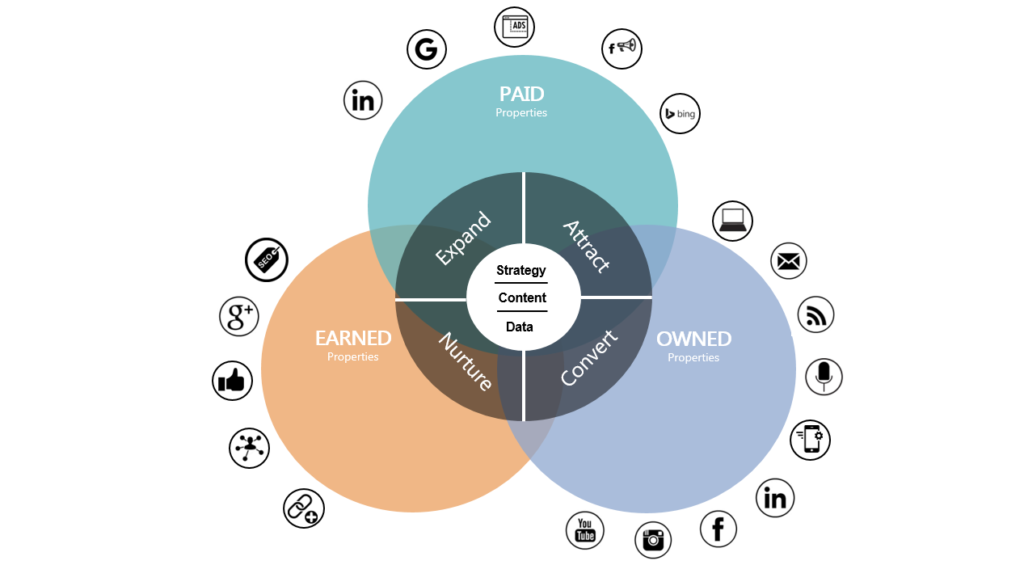
When people think of digital marketing, they often picture social media posts, online ads, or influencer collaborations. While these are visible parts of the process, they represent only a fraction of what digital marketing truly is. In reality, digital marketing is a comprehensive ecosystem that combines strategy, data, content, technology, and customer experience to drive long-term business growth.
The Common Misconception About Digital Marketing
Social media and ads are important tools, but they are not the foundation of digital marketing. Without a clear strategy, even the most creative campaigns struggle to deliver meaningful results.
Digital marketing goes far beyond:
- Posting consistently on social media
- Running paid ads for visibility
- Chasing likes, shares, and impressions
True digital marketing focuses on intent, relevance, and value—not just visibility.
Digital Marketing Starts With Strategy
At its core, digital marketing begins with understanding the business, the audience, and the problem being solved. Strategy defines what message to communicate, which platforms to use, and how success will be measured. Without this foundation, marketing efforts become fragmented and reactive rather than purposeful.
Key Components That Power Digital Marketing
A successful digital marketing approach integrates multiple elements working together toward a common goal.
These include:
- Search engine optimization (SEO) to capture intent-driven traffic
- Content marketing to educate and build trust
- Email marketing to nurture long-term relationships
- Analytics and data to guide decisions
- User experience (UX) to improve conversions
Each element supports the other, creating a seamless customer journey.
The Role of Data and Technology
Digital marketing thrives on data. Analytics tools help marketers understand what works, what doesn’t, and why. Technology enables personalization, automation, and optimization at scale. Together, they transform marketing from guesswork into a measurable, continuously improving process.
Digital Marketing Is About the Customer Journey
Effective digital marketing considers every stage of the customer journey,from awareness to conversion and beyond. It focuses on delivering the right message at the right moment, across multiple touchpoints, ensuring a consistent and meaningful brand experience.
How Performance Metrics Shape Digital Marketing
Digital marketing decisions are guided by measurable performance indicators such as click-through rate (CTR), conversion rate, cost per acquisition (CPA), customer lifetime value (CLV), and return on ad spend (ROAS). These metrics help marketers evaluate campaign effectiveness, identify bottlenecks in the funnel, and optimize budgets. Rather than focusing on vanity metrics like likes or views, successful digital marketing teams prioritize data that directly impacts revenue and growth.
Technology Enables Scalable and Predictive Marketing
Modern digital marketing relies heavily on marketing technology stacks that include analytics platforms, CRM systems, automation tools, and AI-powered optimization engines. These technologies allow marketers to track user behavior across channels, automate lead nurturing, and predict future outcomes based on historical data. With the help of machine learning models and attribution analysis, brands can understand which touchpoints contribute most to conversions and continuously refine their marketing strategies.
Key Takeaway
Digital marketing is not limited to social media posts or paid ads. It is a strategic, data-driven approach that connects brands with customers through value, relevance, and trust. When done right, digital marketing builds relationships, not just reach.